
What Every Homeowner Needs to Know
If you’re a Florida homeowner considering a roof replacement, repair, or inspection, it’s critical to understand the unique building codes that govern roofing in the Sunshine State. Florida has some of the strictest roofing regulations in the country — and for good reason. With our tropical climate, intense UV exposure, and frequent hurricanes, your roof is your first line of defense. That’s why the Florida Building Code (FBC) exists: to protect property, preserve lives, and ensure roofs perform when you need them most.
At South Star Roofing, we take Florida’s building codes seriously. We believe that homeowners should too. This guide will walk you through the most important aspects of Florida’s roofing code so you can make informed decisions about your next roofing project.
Talk with an expert at South Star Roofing today and ensure you’re protected.
Why Florida Roofing Codes Avoid Costly Mistakes Are So Strict
Florida is no stranger to devastating weather. Between hurricanes, tropical storms, high humidity, and strong sun exposure, roofs in this state face more punishment than most. The Florida Roofing Codes Avoid Costly Mistakes was established to create a uniform set of standards for the entire state, minimizing the risk of roof failure during extreme weather events.
The code is updated every three years, with the latest edition being the 8th Edition (2023). Compliance isn’t just about passing inspection — it’s about ensuring your home is protected against wind uplift, water intrusion, and structural damage. Failure to comply can result in:
Denied insurance claims
Permits being revoked
Costly repairs
Increased risk of storm damage
6 Critical Florida Roofing Code Requirements
1. Wind Uplift and HVHZ Requirements
South Florida, including areas like Palm Beach County and Miami-Dade, falls under what’s called the High-Velocity Hurricane Zone (HVHZ). This zone has even more stringent roofing requirements due to its exposure to hurricane-force winds.
In these areas, roofing systems must be engineered and tested for wind uplift resistance. This includes:
Specific fastening patterns for underlayment and decking
Approved products listed in the Florida Product Approval Database or Miami-Dade NOA system
Metal panels or shingles tested for wind pressure resistance
Contractors must submit product approval numbers with the permit application to prove code compliance.
2. Underlayment Requirements
Florida requires specific types of underlayment systems to protect against water intrusion:
Option A: Two layers of #15 felt (nailed with tin caps)
Option B: One self-adhering modified bitumen membrane (peel-and-stick)
Option C: Synthetic underlayment systems listed and approved for HVHZ areas
For tile roofs, the underlayment often serves as the primary water barrier — so code-compliant installation is critical.
3. Roof Decking and Re-Nailing
When re-roofing an existing structure, contractors are required to inspect the roof deck. If the existing nailing does not meet the current code, the decking must be re-nailed using 8d ring-shank nails at specific intervals (usually 6” on the edges and 6” in the field).
This ensures the sheathing doesn’t blow off during strong winds — a leading cause of total roof failure in hurricanes.
4. Secondary Water Barrier
In many cases, especially in HVHZ zones, Florida requires a secondary water barrier to be installed during a re-roof. This barrier is typically a peel-and-stick membrane installed over all roof deck seams. It provides extra leak protection if wind-driven rain penetrates the outer roofing system.
Without it, even a small gap in your roofing material could lead to major water damage inside your home.
5. Roof-to-Wall Connection Retrofits
Older homes built before 2002 may not have modern hurricane straps or clips tying the roof structure to the walls. Florida roofing codes now require contractors to inspect these connections during re-roofing and offer a roof-to-wall retrofit if they don’t meet current standards.
These retrofits:
Improve the structural integrity of the home
Reduce the risk of uplift during storms
May qualify you for homeowner’s insurance discounts
6. Slope, Drainage & Flat Roof Systems
The Florida Building Code mandates that roofs have proper slope and drainage to avoid ponding water. For low-slope and flat roofs:
Minimum slope must be 1/4 inch per foot
Tapered insulation or cricket systems are often required
Proper scupper and drainage outlets must be installed
Flat roof coatings (like silicone or elastomeric systems) must be applied according to manufacturer specs and meet code-approved application thickness.
Contact South Star Roofing for a professional roof assessment.
CommonFlorida Roofing Codes Avoid Costly Mistakes
Many homeowners unknowingly allow roofing work that violates code, putting their homes at risk. Here are a few red flags to avoid:
Hiring unlicensed contractors: They often skip permits and inspections. Always verify a roofer’s license and insurance.
Not pulling permits: A permit is required for nearly all roof replacements and many repairs.
Using unapproved materials: All materials must be listed in the Florida Product Approval system or Miami-Dade NOA.
Skipping inspections: Most jurisdictions require a dry-in inspection, in-progress checks, and a final inspection.
Covering up old damage: Roofing over rotted decking or failing to re-nail sheathing is a code violation.
Florida Roofing Code & Insurance: What’s the Connection?
Insurance companies in Florida are cracking down on outdated or non-compliant roofs. If your roof doesn’t meet current code, you could face:
Policy cancellations
Denied claims after a storm
Increased premiums
Upgrading your roof to code standards doesn’t just protect your home — it can also help you qualify for significant insurance discounts, especially if you:
Add a secondary water barrier
Install impact-rated shingles or metal
Retrofit your roof-to-wall connections
Click here to get help with South Star to guide you in the re-roof process.
What Happens During a Code-Compliant Re-Roof?
At South Star Roofing, every roof replacement project includes:
Permit application with city or county
Product approval documentation
Decking inspection and re-nailing if needed
Installation of approved underlayment and secondary barrier
HVHZ fastening patterns and uplift-rated materials
City or county inspections at each phase
Final walk-through with photos and warranty handoff
We also provide documentation you can use for insurance savings and future resale value.
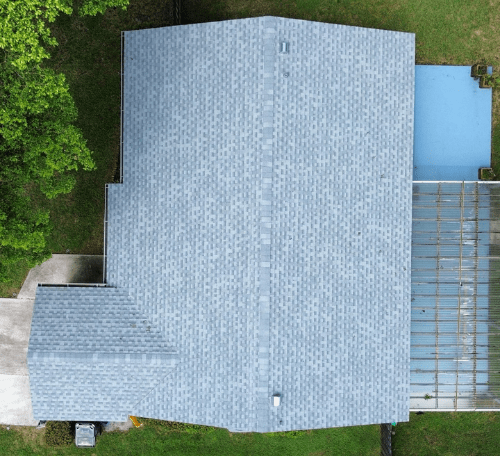
“When the storm comes, only a code-compliant roof stands between your family and the sky. Build it right, or rebuild it later.”
Why Work with a Contractor Who Understands Florida Roofing Code?
Choosing the right contractor is the most important decision you’ll make when starting a roofing project in Florida. A qualified contractor will:
Educate you on code requirements
Use approved materials with documented ratings
Pull the proper permits and schedule inspections
Ensure your roof is built to withstand Florida’s weather
At South Star Roofing, we specialize in residential roof replacements, repairs, and insurance-compliant installations throughout Palm Beach County and South Florida. We don’t just meet the code — we exceed it.
Why South Star Roofing?
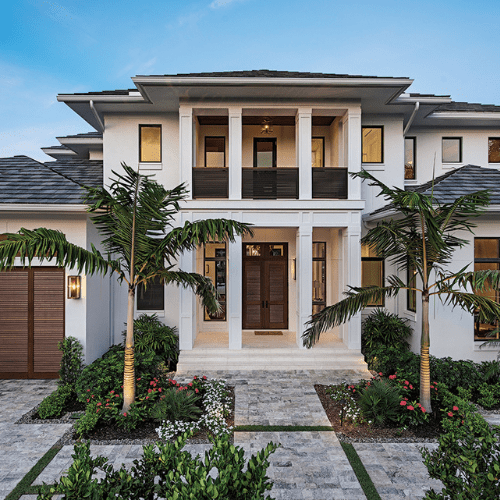
At South Star Roofing, we specialize in residential roofing and understand the unique needs of Florida homeowners. Whether you’re replacing an old roof or building a new home, we offer expert guidance and professional installation to ensure your roof can withstand Florida’s toughest weather conditions.
Here’s why South Star Roofing stands out when it comes to premium roofing:
- Expertise and Quality Workmanship: Our licensed and insured team ensures every metal roof is installed to the highest standards for residential roofing in Florida.
- Comprehensive Roof Solutions: We offer everything from repairs to full replacements, providing tailored solutions for every need.
- Clear Communication: We make sure you’re informed every step of the way, from consultation to final installation.
- Customer Satisfaction: With numerous satisfied clients, we take pride in offering reliable and efficient roofing solutions for homeowners across Florida.
When it comes to your roof, don’t settle for anything less than a partner who cares as much about your home as you do. South Star Roofing ensures your roof stand the test of time.
Request a free estimate today.
Share This Guide!
If you found this guide helpful, consider sharing it with other Florida homeowners. For more expert advice on roofing, follow us on social media or reach out directly to South Star Roofing.
Call Now For A Free Estimate
Avoid a rainy day disaster!
Download this FREE conversation starter to guide your dinner table discussions about your roofing needs (before it’s too late!).